WHO-ORS vs Commercial ORS: Pediatric Guidance in BTM Layout
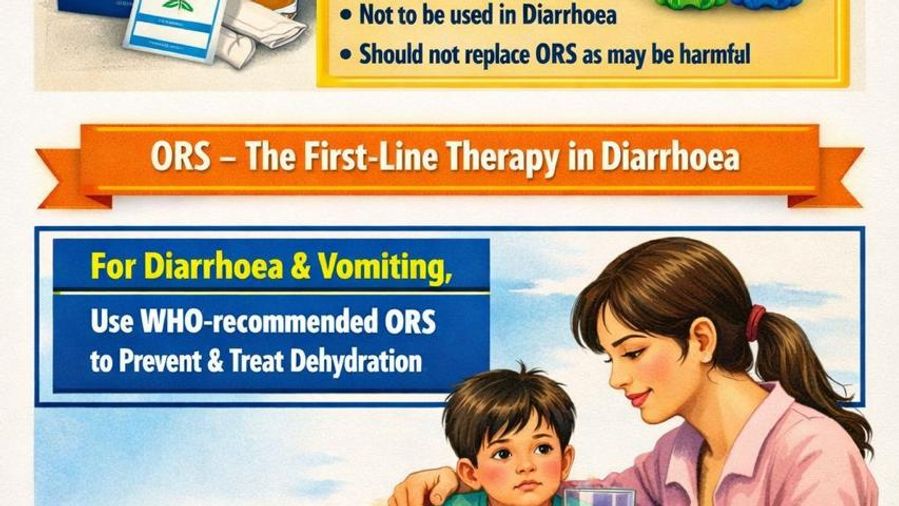
Oral Rehydration Solution, commonly known as ORS, is a life-saving treatment for dehydration caused by diarrhea and vomiting. The World Health Organization developed a specific ORS formula that helps the body absorb water and salts efficiently, even during severe diarrhea. This WHO-ORS is a medical treatment, not just a drink to quench thirst.
What is WHO-ORS?
WHO-ORS is a precisely formulated solution developed by the World Health Organization and UNICEF to treat dehydration from diarrhea. The standard low-osmolarity WHO-ORS formula contains:
• Sodium: 75 mEq/L
• Potassium: 20 mEq/L
• Chloride: 65 mEq/L
• Glucose: 75 mmol/L
• Total osmolarity: 245 mOsm/L
This balance of glucose and sodium is scientifically designed to maximize water absorption in the intestine through a mechanism called sodium-glucose co-transport — even when the gut is inflamed during diarrhea.
How Commercial ORS Differs
Confusion arises because many products sold in the market are also labeled as "ORS" but do not strictly follow the WHO-recommended formula. Common differences include:
• Less sodium (to reduce saltiness and improve taste)
• Higher sugar content (added glucose, sucrose, or fruit flavors)
• Higher total osmolarity (which can worsen diarrhea)
• Added colors, flavors, or preservatives
While these may be acceptable for mild dehydration (such as after exercise or mild heat exposure), they are not ideal for treating diarrhea — especially in children — and may even worsen the condition.
Why High Sugar ORS Can Be Harmful During Diarrhea
When glucose concentration is too high relative to sodium, the co-transport mechanism becomes less effective. Excess sugar in the gut can:
• Draw more water into the intestine (osmotic effect), worsening loose stools
• Increase stool output and dehydration
• Provide false reassurance while the child continues to lose fluids
How to Identify the Right ORS
When purchasing ORS for diarrhea management, look for the following on the packet:
• Clearly states "WHO formula" or "as per WHO/UNICEF"
• Osmolarity listed as 245 mOsm/L (low-osmolarity)
• Sodium content of 75 mEq/L
• No added flavors or colors
Electral, Walyte, and government-supplied ORS sachets are common WHO-compliant options available in India.
When to Use ORS
ORS should be started at the first sign of diarrhea or vomiting — do not wait for signs of dehydration. Give small, frequent sips:
• Children under 2 years: 50–100 mL after each loose stool
• Children 2–10 years: 100–200 mL after each loose stool
• Older children and adults: as much as wanted
Signs of Dehydration to Watch For
Contact your pediatrician immediately if your child shows:
• Dry mouth or tongue
• No tears when crying
• Sunken eyes or fontanelle (soft spot in infants)
• No urine for more than 6 hours
• Extreme lethargy or unresponsiveness
• Persistent vomiting preventing ORS intake
Key Takeaway
During diarrhea or vomiting, always use ORS that clearly mentions "WHO formula." Not all ORS packets are the same, and choosing the right one can prevent serious dehydration and save lives.
If you are unsure which ORS to use or your child is not improving with ORS alone, consult your pediatrician promptly.
For concerns about your child's hydration, diarrhea management, or to know which ORS to use, book a consultation at Ketaki Kids Care or reach us on WhatsApp for quick guidance.